Landlords and brokers still relying on static floor plans risk losing deals to competitors who can show space in a faster, smarter, and more interactive way.
Think about the last time you saw a leasing proposal delivered as a static PDF. A tenant gets an email attachment, scrolls through a few pages, and is expected to make one of the biggest decisions for their business based on flat lines and boxes.
In 2025, that simply isn’t enough.
Today’s tenants expect more than a document - they expect an experience. And landlords or brokers still relying on static floor plans risk losing deals to competitors who can show space in a faster, smarter, and more interactive way.
The static floor plan has been a mainstay in CRE for decades, but choosing an AI floor plan generator has changed what tenants expect. But it has three critical flaws in today’s market:
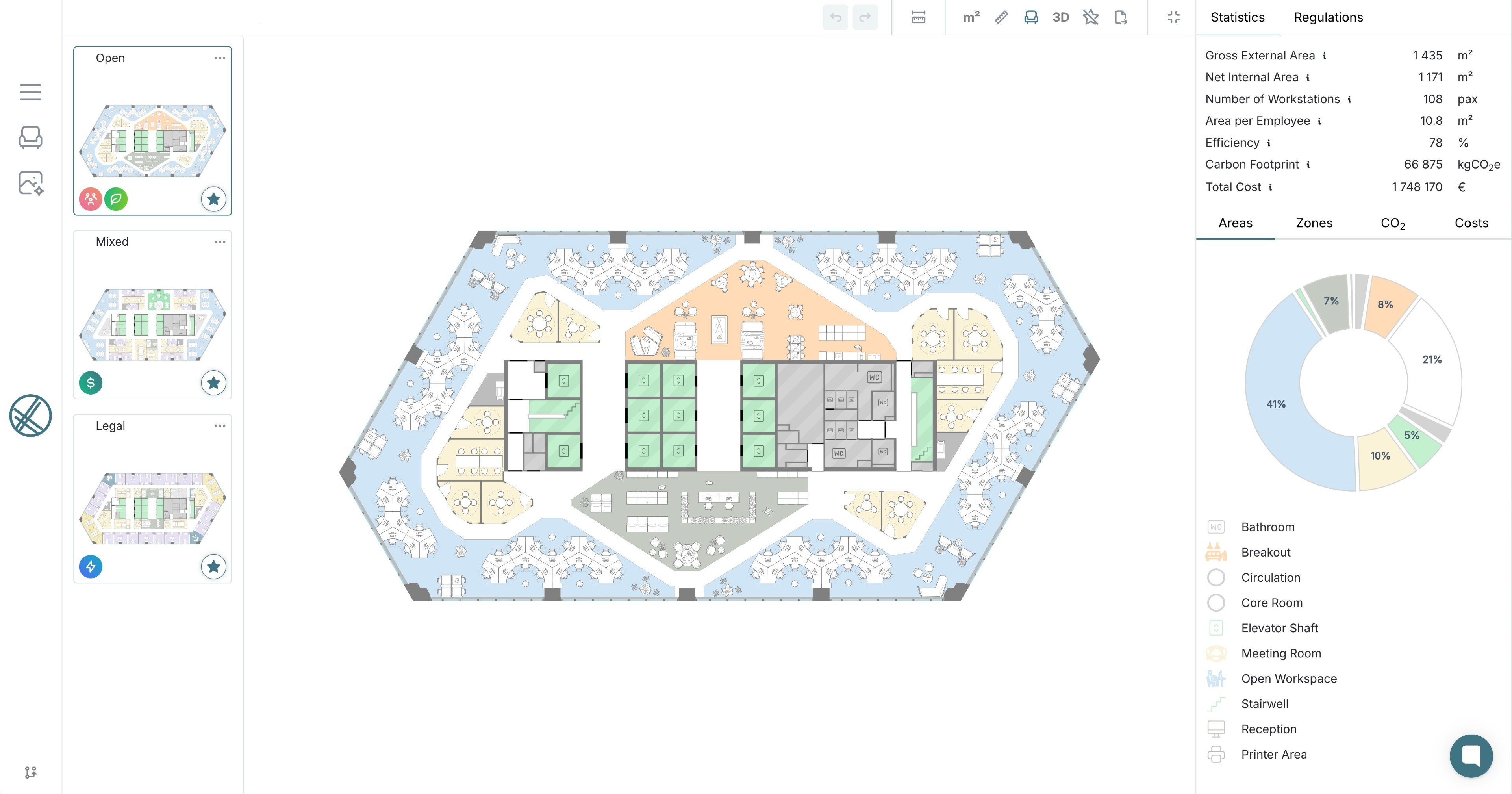
Leasing has gone digital - and layouts need to follow. Interactive floor plans, central to the test fit speed advantage, transform the experience by letting tenants:
The difference is night and day. Instead of waiting, wondering, and going back and forth, tenants get clarity in minutes.
At laiout, we’ve seen firsthand how moving beyond PDFs changes the leasing process. With our AI-powered platform, CRE teams can:
This isn’t just a new way to present space - it’s a faster, more engaging way to close space.
In 2025, static floor plans don’t win deals. Speed, flexibility, and interactivity do. Tenants expect to see their options evolve instantly, and the landlords and brokers who can deliver that experience are the ones who sign faster, with less friction.
PDFs belong to the past. Interactive layouts are the new standard.
Ready to leave PDFs behind? Discover how laiout helps CRE teams deliver layouts that close deals faster.
Get laiout News and Updates right in your inbox.

We're always open to hearing from talented people. If you don't see an open role that fits, send a speculative application to careers@laiout.co.Tell us what you'd bring and why laiout resonates with you.

Sign up to our newsletter


.svg)
.svg)


.svg)

