Platforms like laiout let brokers and landlords respond to layout-related objections during the meeting, not after it.
Every leasing team knows the moment: the tour went well, the prospect seemed engaged, and then - just as things are heating up - a hesitation.
“We love the location, but there’s not enough meeting space.”
“It’s great, but our team’s hybrid - we need a different desk setup.”
“We’d need to rework the layout to make this work.”
Objections like these are natural. In fact, they’re a good sign that the tenant is actively considering the space. But in traditional leasing workflows, even small requests like these can bring everything to a grinding halt.
The issue isn’t the objection - it’s what happens next.
In most office leasing processes, responding to layout concerns involves a chain reaction:
In that gap, the momentum fades. The prospect might lose interest, turn to a faster-moving competitor, or start second-guessing whether the space is worth the friction.
That’s the real risk: not the objection itself, but the pause it creates.
Imagine this instead:
“Not enough meeting rooms? Let’s take a look.”
A few clicks, and the layout updates instantly.
“What about this version - four huddle rooms, and an open collab space here?”
The client nods. You’re back on track.
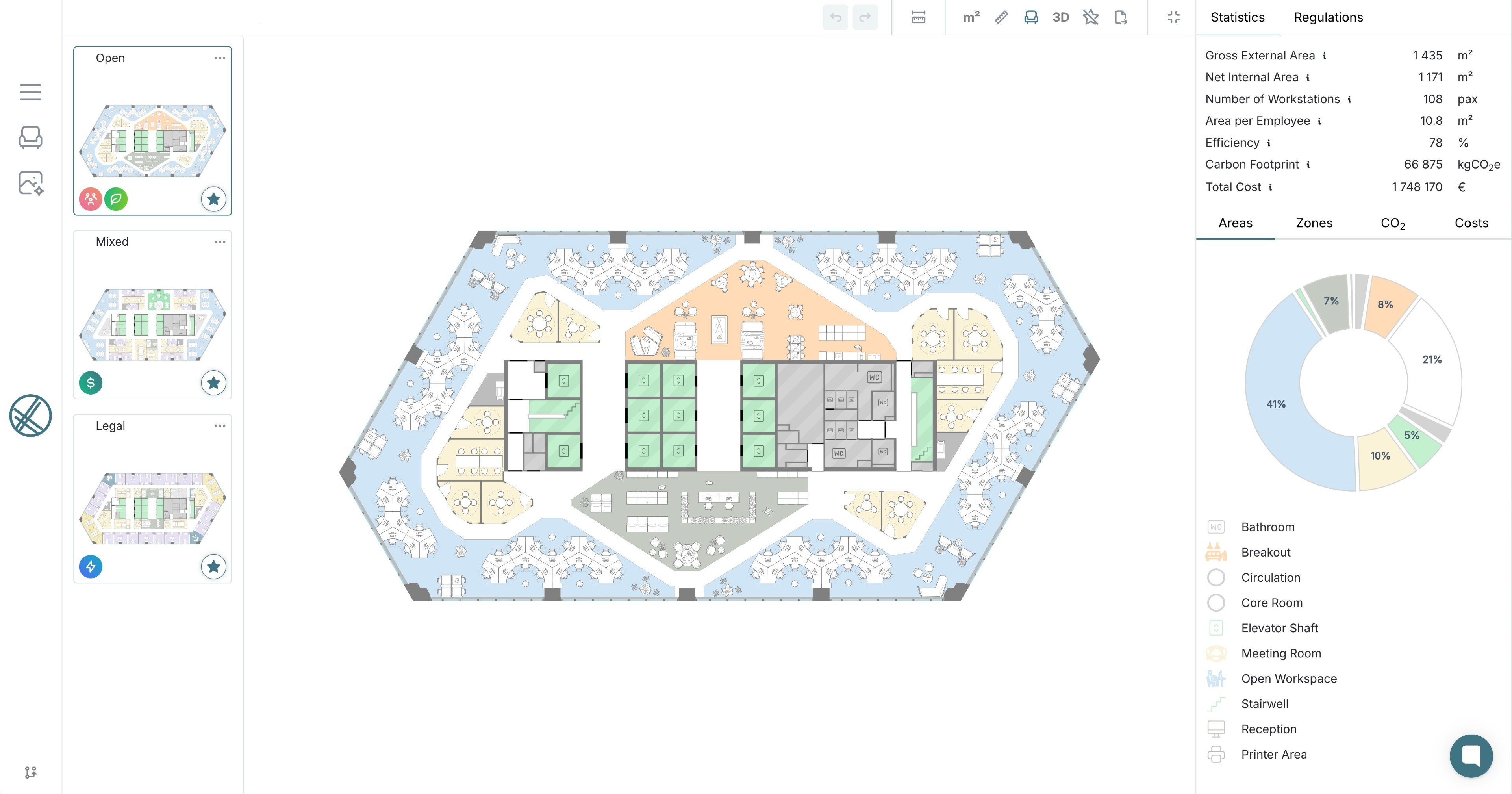
This is what real-time planning tools enable. Platforms like laiout let brokers and landlords respond to layout-related objections during the meeting, not after it. It changes the entire tone of the conversation - from “We’ll check and follow up” to “Let’s explore that together.”
When objections are resolved immediately, deals don’t stall. The client stays engaged and decisions happen faster.
Being able to adapt quickly signals that you’re organized, resourceful, and focused on solving their needs - not just selling space.
By working with prospects in real time, you're not just showing them a space - you’re helping shape it with them. That collaboration builds buy-in.
When feasibility data is built into the layout (like workstation counts, cost estimates, or carbon impact), clients can make informed decisions without needing to "check internally and get back to you."
Every concern a tenant raises is a chance to show your value. It’s a chance to demonstrate that you’re listening, that you’re agile, and that you’re ready to deliver solutions - not just space.
But to take advantage of that opportunity, you need tools that let you move fast.
If you're still responding to layout questions with, “We'll send you an update in a few days,” you're operating at a disadvantage. In a market that moves fast and rewards flexibility, the best leasing teams aren’t the ones who promise to follow up - they’re the ones who adjust in real time.
With the right tools, objections stop being roadblocks. They become deal-makers.
Want to turn layout objections into signed deals? Discover how laiout helps brokers and landlords respond instantly, update layouts live, and close faster - with fewer delays and more confidence.
Get laiout News and Updates right in your inbox.

We're always open to hearing from talented people. If you don't see an open role that fits, send a speculative application to careers@laiout.co.Tell us what you'd bring and why laiout resonates with you.

Sign up to our newsletter


.svg)
.svg)


.svg)

